

Claude Code Source Code Leak 2026: Complete Analysis of Anthropic's 512,000 Line Leak, Architecture, Implications, and Future of AI Coding Assistants
What Happened in the Claude Code Leak: Timeline and Technical Details
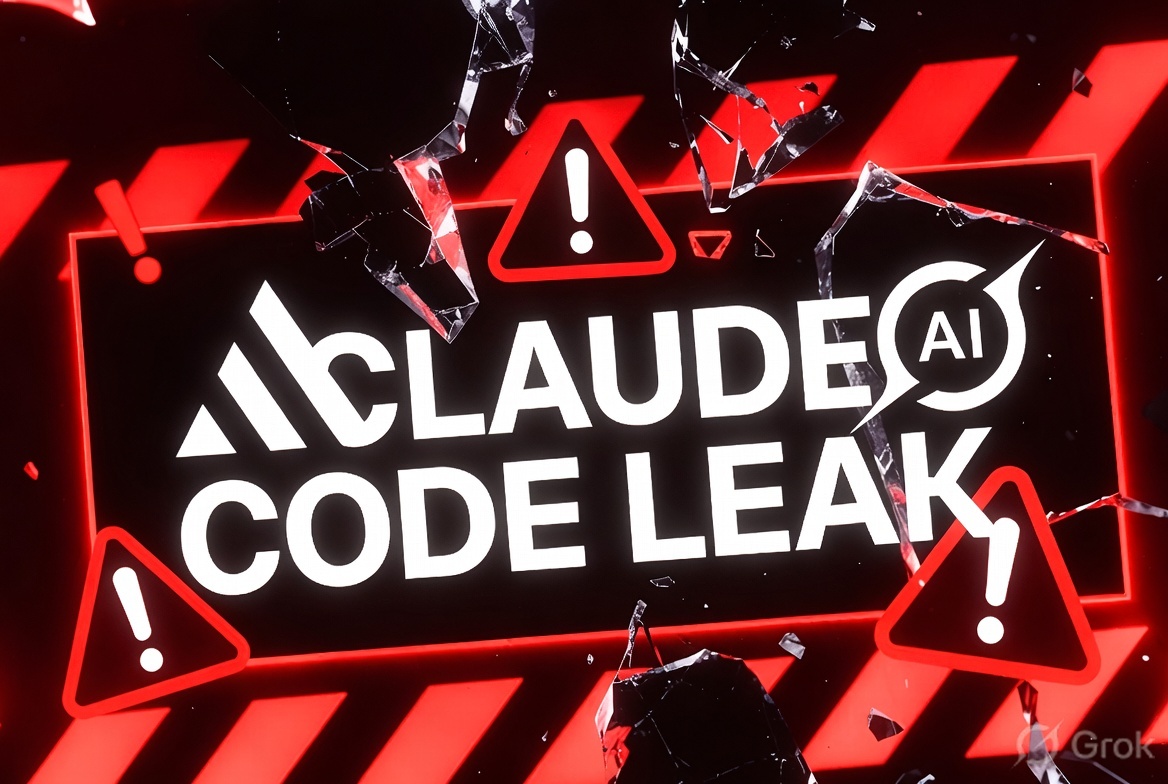
The leak stemmed from a classic human error during the release process. When Anthropic published version 2.1.88 of Claude Code to the npm registry, the package inadvertently included a large JavaScript source map file. Unlike compiled languages, JavaScript/TypeScript builds in production are often minified for size and protection. Source maps reverse this process for debugging—but in this case, the map was not properly excluded via .npmignore or build configuration.
Claude Code Architecture Deep Dive: From Simple Chatbot to Full Agent Runtime
Analyses of the leaked source reveal that Claude Code is far more than a terminal chatbot. It is a sophisticated agent runtime environment built with Bun (a fast JavaScript runtime), TypeScript, and React (via Ink for terminal UI). The codebase spans roughly 500,000–512,000 lines—significantly larger than comparable projects (e.g., ~100K lines for some open alternatives).
Technical Features of Claude Code Exposed in the Leak
Here’s a breakdown of standout capabilities uncovered:
- Claude.MD File: 40,000-character operational context detailing standards and best practices.
- Parallelism & Sub-Agents: Simultaneous agents sharing caches; communication via work trees and mailboxes.
- Permission System: Modes like Bypass, Allow Edits, Auto; wildcard support for flexible control.
- Context Compaction: Multiple methods to optimize long conversations.
- Session Persistence: JSONL-based resumable/forkable sessions.
- Built-in Tools: 66+ tools including web browsing, file operations, and code execution (split into read-only and mutating).
- Streaming Architecture: Interrupt tasks safely without wasting tokens.
- Hooks System: Extensible automation for documentation, reviews, etc.
These features transform Claude Code into a powerful operating environment rather than a basic prompt interface.
Impact of the Leak on Anthropic: Business, Security, and Reputation
Legal and Copyright Challenges Arising from the Claude Code Leak
The leak has sparked complex legal discussions. Community members quickly ported the JavaScript code to Python using AI, creating repositories that Anthropic has attempted to DMCA. However, under current U.S. law, purely AI-generated code is generally not copyrightable, creating a gray area for enforcement.
This situation mirrors recent controversies involving Cloudflare, Vercel, and AI-assisted code porting. Anthropic faces a potential lose-lose: aggressive takedowns could set unfavorable precedents, while inaction might encourage further reuse. The incident may make companies more cautious about open-sourcing projects or prompt shifts toward embracing open harnesses (as some competitors have done) to reduce future risks.
Broader Implications for Software Development and AI Coding Assistants
For open-source AI, this is largely positive, providing a blueprint for building more efficient coding assistants.
Future Outlook: What the Claude Code Leak Means for Developers, Companies, and Hiring
The leak reinforces that the “secret sauce” in AI coding tools lies primarily in the underlying models and usage economics, not just the harness code. Companies may increasingly open-source non-core layers while protecting model advantages.
For developers and hiring managers, the landscape is evolving rapidly. Prompting skills, agent orchestration, and validation expertise will grow in importance, alongside traditional domain knowledge. High-level AI-assisted development may make certain low-level skills less central, similar to how assembly faded in relevance.
Uncertainties remain: What projects and skills will prove most future-proof? How will legal precedents around AI-generated code shape open-source practices? The community is actively exploring these questions.
Conclusion: A Catalyst for Innovation Despite the Embarrassment
The 2026 Claude Code source code leak exposed impressive internal innovations in agent orchestration, memory management, permissions, context engineering, and extensibility—without compromising Anthropic’s deepest proprietary assets. While embarrassing and highlighting process risks in fast-moving AI development, the incident ultimately benefits the broader ecosystem by democratizing advanced techniques.
Tinkerers, open-source contributors, and competitors now have a rare window into production-grade AI harness design. This transparency is likely to accelerate improvements in coding assistants industry-wide, foster better security through collective review, and push the boundaries of what’s possible in human-AI collaboration.
For Anthropic, the event serves as a valuable lesson in release hygiene and may influence future strategies around openness versus control. For developers everywhere, it’s an invitation to master these powerful tools more deeply and prepare for a future where AI agents handle implementation while humans provide vision, specifications, and oversight.
The Claude Code leak doesn’t cripple Anthropic—it highlights the rapid maturation of agentic AI tooling and invites the community to build upon it. As the dust settles, expect richer open-source alternatives, refined commercial offerings, and continued evolution in how we write, review, and ship software.
This analysis draws from the leaked materials, Anthropic’s statements, and widespread community discussions. The AI coding landscape continues to evolve quickly—stay curious, experiment responsibly, and keep refining your prompting and orchestration skills.