


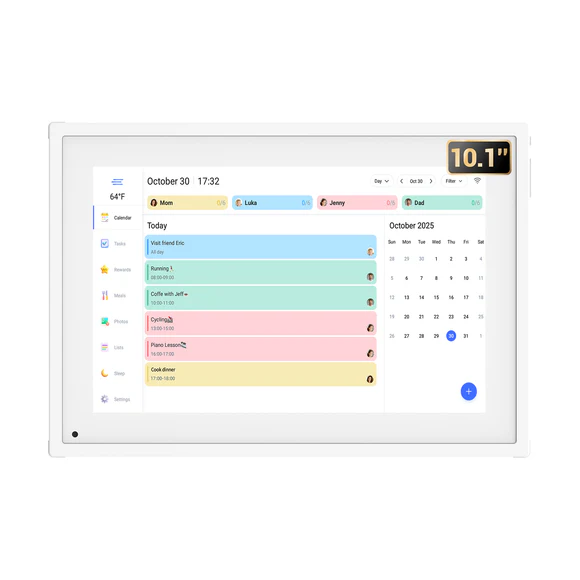
In an age where smartphones have become extensions of ourselves and smart devices populate our homes and offices, the humble calendar has undergone a remarkable transformation. Digital calendars have evolved from simple scheduling tools into sophisticated time management ecosystems that sync across devices, integrate with our workflows, and help us navigate increasingly complex lives. Take a look at BSIMB.
Understanding Digital Calendars
A digital calendar is an electronic system for organizing appointments, events, tasks, and reminders. Unlike traditional paper calendars, these dynamic tools offer real-time updates, automated notifications, and seamless synchronization across multiple devices. Whether accessed through smartphones, tablets, computers, or specialized displays, digital calendars have become indispensable for both personal and professional time management.
The evolution from paper to digital represents more than a simple format change. Digital calendars transform passive record-keeping into active time management, offering features that paper could never provide: instant sharing, recurring event automation, integrated video conferencing links, and intelligent scheduling suggestions.
The Rise of Specialized Digital Calendar Displays
While smartphone and computer-based calendars dominate everyday use, two specialized categories have gained significant traction for specific environments: the digital wall calendar and the digital desk calendar.
Digital Wall Calendar: Command Center for Shared Spaces
A digital wall calendar serves as a centralized information hub, typically mounted in high-traffic areas like kitchens, offices, or common rooms. These displays range from repurposed tablets in simple frames to purpose-built screens with e-ink technology that mimics paper while offering digital functionality.
The appeal of a digital wall calendar lies in its visibility and accessibility. Unlike individual device calendars that remain personal and hidden, wall-mounted displays create shared awareness. Families use them to coordinate activities, track chores, and maintain meal plans. Offices deploy them for conference room scheduling, team availability, and project milestones.
Modern digital wall calendar solutions often feature touch-screen interfaces, voice control integration, and the ability to display multiple calendars simultaneously. Some incorporate weather forecasts, news feeds, and smart home controls, transforming the calendar into a comprehensive information dashboard. The always-on, always-visible nature makes them particularly valuable for households with children or busy professionals who benefit from constant visual reminders.
Digital Desk Calendar: Personal Productivity at Your Fingertips
Where wall calendars emphasize shared visibility, a digital desk calendar focuses on personal productivity within arm's reach. These compact devices sit on desks, nightstands, or workstations, providing at-a-glance schedule information without requiring you to unlock a phone or wake a computer.
Digital desk calendar options range from small e-ink displays showing daily agendas to more elaborate smart displays combining calendars with weather, news, and task lists. The dedicated nature of these devices offers advantages over multitasking smartphones—they eliminate distractions while keeping your schedule visible during focused work sessions.
Many professionals appreciate how a digital desk calendar reduces screen-switching. Instead of constantly checking phones or toggling between computer windows, a single glance provides schedule awareness. Some models incorporate focus timers, meeting countdowns, and color-coded event displays that enhance productivity through better time visualization.
Key Features That Define Modern Digital Calendars
Regardless of format, effective digital calendars share several core capabilities that distinguish them from their paper predecessors.
Synchronization stands as perhaps the most transformative feature. Changes made on one device instantly appear everywhere, eliminating the coordination headaches of managing multiple calendars. This real-time updating ensures everyone working from the same calendar sees identical information, whether they're checking a smartphone app, viewing a digital wall calendar in the kitchen, or glancing at a digital desk calendar in their office.
Smart notifications have evolved beyond simple reminders. Modern systems send alerts based on location, traffic conditions, and preparation requirements. A digital calendar might remind you to leave for an appointment earlier than planned when traffic is heavy, or send a notification to prepare materials when a meeting approaches.
Integration capabilities connect calendars with email, video conferencing platforms, task managers, and productivity apps. Clicking a calendar event can launch a Zoom call, display relevant documents, or check off related tasks. This interconnectedness transforms calendars from isolated scheduling tools into central coordination points for entire workflows.
Collaborative features enable easy sharing of calendars, scheduling of group meetings, and coordination across teams. Finding common availability becomes automatic rather than requiring lengthy email chains. Meeting organizers can see when attendees have conflicts and adjust accordingly.
Customization options allow users to color-code events, create multiple calendars for different life areas, set varying notification preferences, and tailor displays to personal preferences. A single platform might maintain separate calendars for work, personal commitments, family activities, and hobbies, each with distinct visual styling.
Choosing the Right Digital Calendar Solution
Selecting appropriate digital calendar tools depends on specific needs, environments, and use cases. Individual knowledge workers might prioritize smartphone integration and cross-platform synchronization. Families often benefit most from shared digital wall calendars that create household coordination. Executives and focused professionals frequently appreciate dedicated digital desk calendars that provide schedule awareness without smartphone distractions.
For personal use, popular platforms like Google Calendar, Apple Calendar, and Microsoft Outlook offer robust features with excellent mobile apps and web interfaces. These integrate seamlessly with email, contacts, and other productivity tools while remaining free for basic use.
For family coordination, dedicated digital wall calendar solutions or tablets running calendar apps in kiosk mode work well. Products designed specifically for this purpose often include features like chore tracking, meal planning, and color-coded family member identification that generic calendar apps lack.
For professional environments, enterprise calendar systems with advanced security, administrative controls, and resource booking capabilities become important. Conference room scheduling, equipment reservation, and complex permission structures require more sophisticated solutions than personal calendar apps provide.
For focused work settings, standalone digital desk calendar devices offer advantages by providing schedule visibility without the temptation and interruption potential of full-function devices. The single-purpose nature helps maintain concentration while ensuring time awareness.
Maximizing Digital Calendar Effectiveness
Owning digital calendar technology represents only the first step. Effective use requires developing consistent habits and implementing best practices.
Regular review sessions help maintain calendar accuracy and ensure nothing falls through the cracks. Weekly planning sessions where you review upcoming commitments, block focus time, and prepare for major events create proactive rather than reactive time management.
Strategic event blocking transforms calendars from passive records into active planning tools. Blocking time for deep work, exercise, meal preparation, and personal activities treats these priorities with the same respect as external commitments.
Descriptive event titles improve calendar utility. Instead of vague entries like "meeting" or "appointment," specific descriptions such as "Q3 budget review with finance team" or "dental cleaning" provide context at a glance.
Appropriate notification timing balances helpfulness with interruption minimization. Critical appointments warrant multiple reminders, while routine events might need only single notifications or none at all.
Calendar consolidation increases effectiveness by reducing the number of places schedule information lives. While maintaining separate calendars for different life areas makes sense, these should ultimately feed into unified views that prevent double-booking and provide comprehensive schedule awareness.
The Future of Digital Calendar Technology
Emerging technologies promise to make digital calendars even more intelligent and integrated. Artificial intelligence is beginning to suggest optimal meeting times, automatically categorize events, and predict scheduling needs based on patterns. Natural language processing enables voice-based calendar management, while machine learning algorithms offer increasingly sophisticated scheduling recommendations.
The integration of digital calendars with smart home technology creates new possibilities. Imagine a digital wall calendar that not only displays your schedule but also adjusts home lighting and temperature based on upcoming events, or a digital desk calendar that automatically sets your phone to do-not-disturb mode during blocked focus time.
Augmented reality may eventually overlay calendar information onto physical spaces, while improved e-ink technology could make digital calendar displays more paper-like in appearance while maintaining digital functionality. The boundary between digital and physical calendars continues to blur.
Conclusion
Digital calendars have fundamentally changed how we manage time, coordinate with others, and organize our lives. From comprehensive smartphone apps to specialized displays like digital wall calendars for shared spaces and digital desk calendars for personal productivity, these tools offer flexibility and power that paper could never match.
The key to benefiting from digital calendar technology lies not just in adoption but in thoughtful implementation. Choosing appropriate tools for specific needs, developing consistent usage habits, and leveraging advanced features transforms calendars from simple appointment books into comprehensive time management systems. Whether coordinating a busy household through a centrally located digital wall calendar, maintaining personal productivity with a focused digital desk calendar, or managing complex professional schedules through enterprise platforms, digital calendars provide the foundation for organized, intentional living in our fast-paced world.