
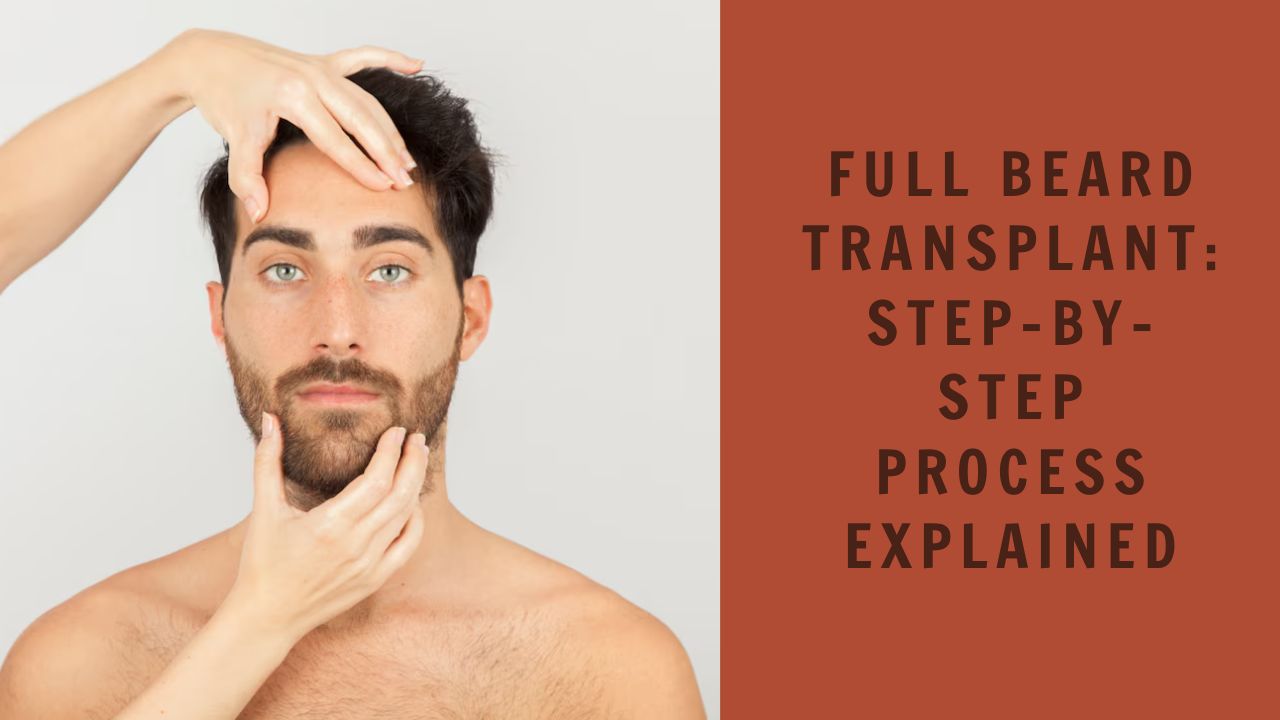

Growing a thick, well-shaped beard isn’t easy for everyone. Genetics, scarring, hormonal factors, or uneven growth patterns can make facial hair appear patchy or incomplete, even after years of waiting. This is where modern medical solutions come into play. A full beard transplant has become an increasingly discussed option among men who want consistent density and defined beard lines without relying on temporary fixes.
For first-timers, the idea of a surgical procedure on the face can feel overwhelming. Questions about safety, results, recovery, and realism often come up. Understanding how the procedure actually works—step by step—can help remove uncertainty and set realistic expectations. This guide breaks down the journey in a clear, approachable way so you know what happens before, during, and after the process.
What Is a Full Beard Transplant?
A full beard transplant is a cosmetic technique that involves transplanting hair follicles from another part of the body, usually the scalp, to restore or enhance facial hair. These follicles are carefully relocated to the beard area to create natural-looking growth.
Unlike topical products or grooming tricks, this approach focuses on permanent hair restoration. Once the transplanted follicles settle, they behave like normal beard hair, growing and blending with existing facial hair over time.
Step 1: Initial Consultation and Beard Planning
The first step of any full beard transplant journey is a detailed consultation. During this phase, the surgeon evaluates facial structure, existing beard growth, donor hair availability, and overall skin condition.
Beard design is an important part of this discussion. Factors such as cheek density, jawline shape, and mustache connection are mapped out to match the individual’s features. The goal is to create a balanced, age-appropriate look rather than an exaggerated style. Medical history and expectations are also reviewed to ensure the procedure is suitable.
Step 2: Choosing the Extraction Method
There are two commonly used techniques for harvesting donor hair:
FUE (Follicular Unit Extraction)
FUE involves extracting particular hair follicles directly from the donor area, usually the back of the scalp. It leaves minimal scarring and is often preferred for facial hair restoration.
FUT (Follicular Unit Transplantation)
FUT involves dragging a thin strip of scalp and separating it into individual grafts. While effective, it may leave a linear scar and is less commonly used for beard procedures today.
The choice depends on donor area quality, desired density, and professional recommendation.
Step 3: Preparing the Beard Area
Before implantation begins, the beard area is cleansed and numbed with local anesthesia. Tiny recipient sites are created where the follicles will be placed. This step is critical in a full beard transplant, as angle and direction determine how natural the beard will look once it grows.
Each incision is made to mimic natural beard growth patterns, ensuring the hair lies flat against the skin rather than sticking out unnaturally.
Step 4: Implanting the Hair Follicles
Once the donor follicles are extracted, they are implanted one by one into the prepared beard area. This stage requires precision and patience. Density is gradually built, with more grafts placed in areas like the jawline and chin, and lighter density on the cheeks for a realistic gradient.
This meticulous process is what separates a natural-looking full beard transplant from an artificial one.
Step 5: Immediate Aftercare and Recovery
After the procedure, mild redness, swelling, and small scabs are common. These usually subside within a week. Patients are given clear aftercare instructions, including how to clean the area, avoid touching grafts, and protect the skin.
During the first few weeks, transplanted hairs may shed. This is a normal part of the hair growth cycle and does not indicate failure. The follicles remain intact beneath the skin.
When Do Results Start Showing?
Visible growth from a full beard transplant typically begins around three to four months after the procedure. By six months, noticeable density appears, and by 9–12 months, final results become evident.
The transplanted beard can be trimmed, styled, and groomed just like natural facial hair, offering long-term flexibility.
Why Technique and Experience Matter
Because facial hair grows differently from scalp hair, experience in beard restoration is essential. Clinics that focus on detailed planning and natural growth patterns tend to deliver more refined outcomes. Facilities such as Beverly Hills Hair Restoration are often cited in discussions of beard procedures for their emphasis on precision and individualized treatment rather than one-size-fits-all solutions.
Conclusion
Choosing a full beard transplant is a personal decision that goes beyond aesthetics. It’s about understanding the process, trusting the technique, and allowing time for results to develop naturally. From consultation and planning to implantation and growth, each step contributes to achieving a realistic outcome.
For first-timers, education is the most powerful tool. Knowing what to expect decreases anxiety and helps set achievable goals. When performed with careful planning and expertise, a full beard transplant can offer a lasting solution that blends seamlessly with your natural features and grooming routine.