
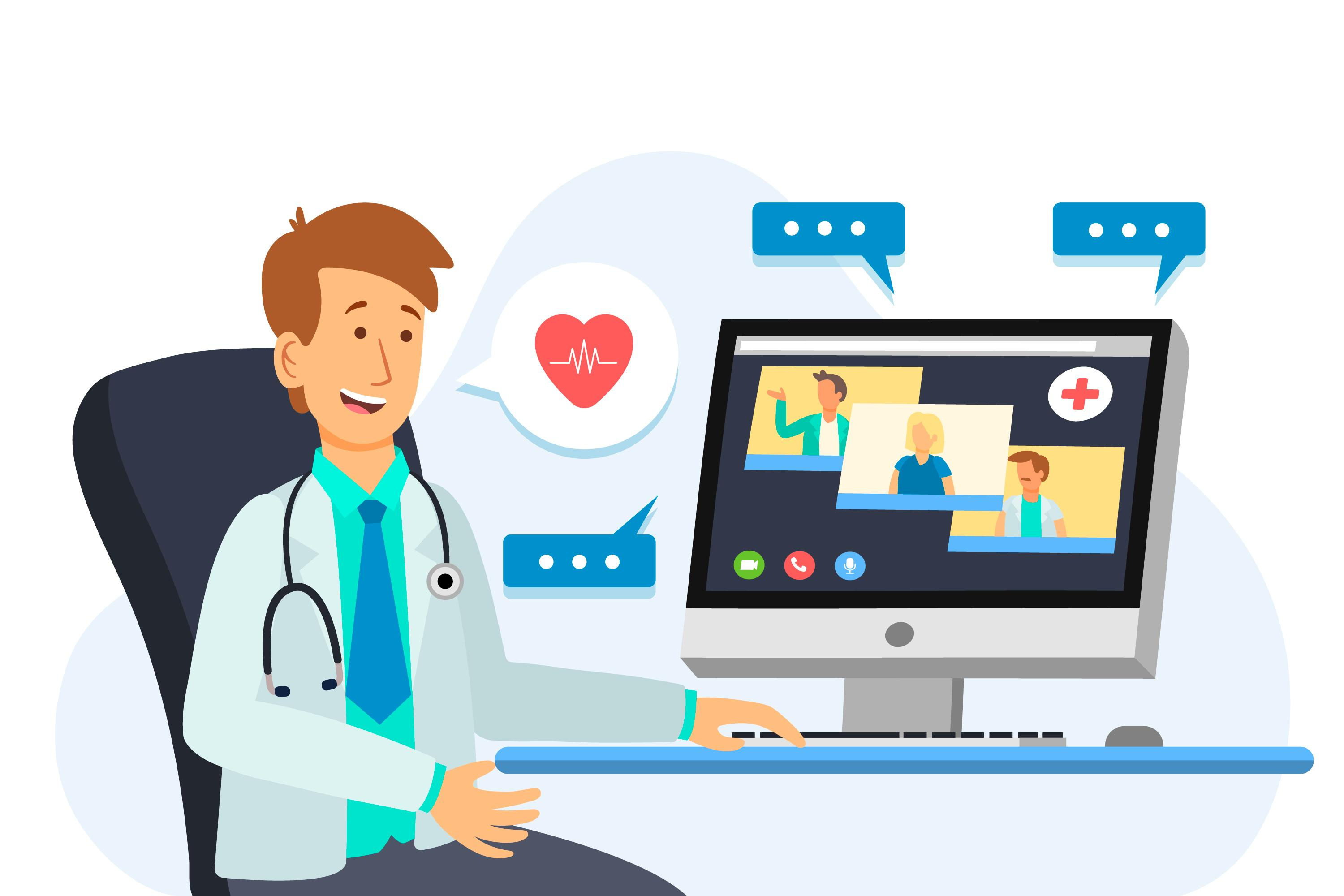

Healthcare is changing quickly because of technology and the growing need for efficient patient care. Clinics and hospitals now rely on digital support systems to manage daily administrative work. One of the most helpful solutions is the use of virtual assistants in healthcare settings.
A virtual assistant can help medical professionals manage scheduling, communication, and documentation. Many healthcare organizations prefer working with a hipaa compliant virtual assistant because patient privacy and data protection are extremely important in the medical field. These professionals work remotely but provide reliable administrative and operational support to healthcare teams.
For students interested in healthcare careers, understanding the skills required for a virtual medical assistant is important. These assistants combine technology, communication, and organizational abilities to support modern healthcare environments.
Strong Communication Skills
Clear communication is one of the most important abilities for a virtual medical assistant. They must interact with patients, doctors, and healthcare staff through phone calls, emails, and messaging platforms.
Good communication helps avoid misunderstandings and ensures that patients receive accurate information about appointments, prescriptions, and medical instructions.
Understanding Medical Terminology
A virtual medical assistant must understand basic medical terms used by healthcare providers. This helps them accurately record patient information and communicate with medical staff.
Knowledge of medical terminology also helps assistants understand doctor notes, treatment plans, and patient histories without confusion.
Knowledge of HIPAA and Patient Privacy
Patient data protection is a major responsibility in healthcare administration. Virtual assistants must understand privacy regulations and follow strict security protocols.
This knowledge ensures that patient records, appointment details, and personal information are handled safely and professionally.
Appointment Scheduling and Calendar Management
Healthcare clinics receive many appointment requests every day. Virtual medical assistants help organize these schedules to avoid confusion and delays.
They manage patient bookings, reschedule appointments, and send reminders so that clinics run smoothly and efficiently.
Electronic Health Record (EHR) Management
Modern healthcare relies heavily on Electronic Health Records (EHR) systems. Virtual assistants must know how to update and maintain digital patient records.
They help doctors by entering patient information, updating medical histories, and organizing documentation for easy access.
Multitasking and Time Management
Healthcare environments can be very busy. A virtual assistant often handles several tasks at the same time, such as responding to patient messages, updating records, and managing schedules.
Good time management allows them to complete tasks efficiently while maintaining accuracy and professionalism.
Customer Service and Patient Support
Virtual medical assistants often serve as the first point of contact for patients. This means they must provide friendly and helpful customer service.
Patients may feel anxious about medical appointments, so assistants should respond with patience, empathy, and clear guidance.
Basic Healthcare Administrative Knowledge
Administrative knowledge helps assistants manage daily clinic operations. Tasks may include insurance verification, billing coordination, and document management.
These responsibilities help healthcare providers focus more on patient care rather than administrative work.
Technology and Software Skills
Virtual assistants work with many digital tools such as scheduling software, EHR systems, communication platforms, and billing tools.
Being comfortable with technology helps them adapt quickly to new healthcare systems and work efficiently from remote locations.
Problem-Solving Ability
Unexpected issues often happen in healthcare environments. For example, appointment conflicts, missing documents, or patient questions may arise during the day.
A skilled assistant should be able to quickly identify problems and find practical solutions.
Knowledge of Healthcare Workflows
Understanding how clinics and hospitals operate is extremely helpful. Virtual assistants who understand healthcare workflows can anticipate tasks and support medical staff more effectively.
In many healthcare facilities, professionals such as a virtual assistant in california often assist doctors with patient coordination, documentation, and follow-ups to improve workflow efficiency.
Attention to Detail
Accuracy is extremely important in healthcare administration. Even small errors in patient information or scheduling can cause serious problems.
A virtual assistant must carefully review data, documents, and records to ensure everything is correct.
Confidentiality and Professional Ethics
Healthcare professionals must follow strict ethical guidelines. Virtual assistants must also maintain high levels of professionalism and confidentiality.
They should always protect patient information and behave responsibly when handling sensitive medical data.
Conclusion
Virtual medical assistants are becoming an important part of modern healthcare systems.
Their skills help clinics manage administrative tasks more efficiently.
With strong communication, technology, and organizational abilities, they support both doctors and patients.
As healthcare continues to evolve, the demand for skilled virtual assistants will continue to grow.