

Food safety has become a top priority across the global packaging industry. Manufacturers, exporters, and consumers are increasingly conscious of the materials used to store, transport, and protect food products. Among the many packaging materials available today, polypropylene (PP) stands out for its safety, durability, and versatility.
A common and important question buyers ask is: is polypropylene food safe?
The answer lies in understanding what polypropylene is, how it is manufactured, and why BPA-free polypropylene, including PP woven fabric roll–based packaging, is widely accepted for food-contact applications.
What Is Polypropylene?
Polypropylene is a thermoplastic polymer produced from propylene monomers. It is widely used in packaging, textiles, automotive parts, and consumer products due to its lightweight structure, chemical resistance, and mechanical strength.
In packaging applications, polypropylene is commonly converted into:
Woven fabrics
Films and laminates
Containers and rigid packaging
Bulk packaging such as woven sacks and FIBCs
When manufactured correctly, polypropylene does not contain Bisphenol A (BPA), making it a safer choice for food-related use.
Is Polypropylene Food Safe?
Yes — polypropylene is considered food safe when produced under proper manufacturing standards.
Polypropylene is:
Naturally BPA-free
Chemically inert and non-reactive
Resistant to moisture, oils, and most food acids
Stable across a wide temperature range
Because of these properties, polypropylene is approved for food-contact use by many international regulatory bodies when manufactured according to food-grade guidelines.
This makes polypropylene an ideal material for packaging dry food products such as grains, sugar, flour, rice, pulses, and animal feed.
Why BPA-Free Matters in Food Packaging
Bisphenol A (BPA) is a chemical sometimes found in certain plastics and resins. It has raised health concerns due to its potential to migrate into food.
BPA-free polypropylene eliminates this risk entirely, offering:
No chemical leaching into food products
No odor or taste transfer
Safe long-term contact with consumables
Greater consumer trust and regulatory compliance
This is why BPA-free polypropylene is widely preferred in food packaging, especially for bulk storage and transportation.
Role of PP Woven Fabric Roll in Food Packaging
A PP woven fabric roll is produced by weaving polypropylene tapes into a strong, breathable fabric. These fabric rolls are further converted into bags, sacks, and liners used for food packaging.
Why PP Woven Fabric Rolls Are Suitable for Food Use
PP woven fabric rolls offer:
High tensile strength for bulk handling
Excellent breathability for dry food products
Resistance to moisture and contamination
Lightweight structure for easy logistics
Compatibility with food-grade liners
When paired with inner liners such as LDPE or form-fit liners, PP woven packaging provides an added layer of hygiene and protection—making it suitable for direct or indirect food contact.
Common Food Applications of Polypropylene Packaging
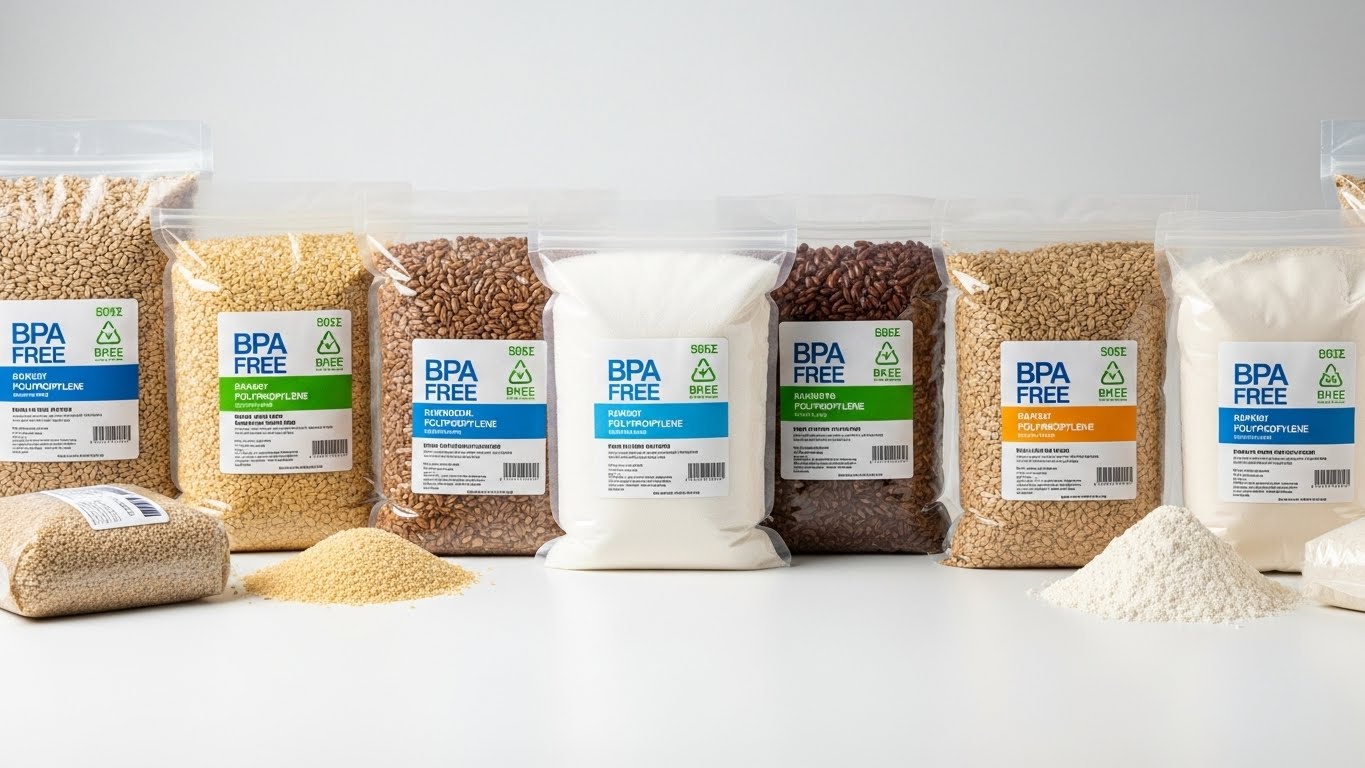
BPA-free polypropylene packaging is widely used for:
Rice and grains
Flour and sugar
Pulses and legumes
Salt and dry spices
Animal feed and pet food
In these applications, PP woven fabric roll–based bags ensure product integrity while supporting efficient storage and transport.
Safety and Hygiene Considerations
To ensure polypropylene remains food safe, manufacturers must focus on:
Use of virgin polypropylene resin
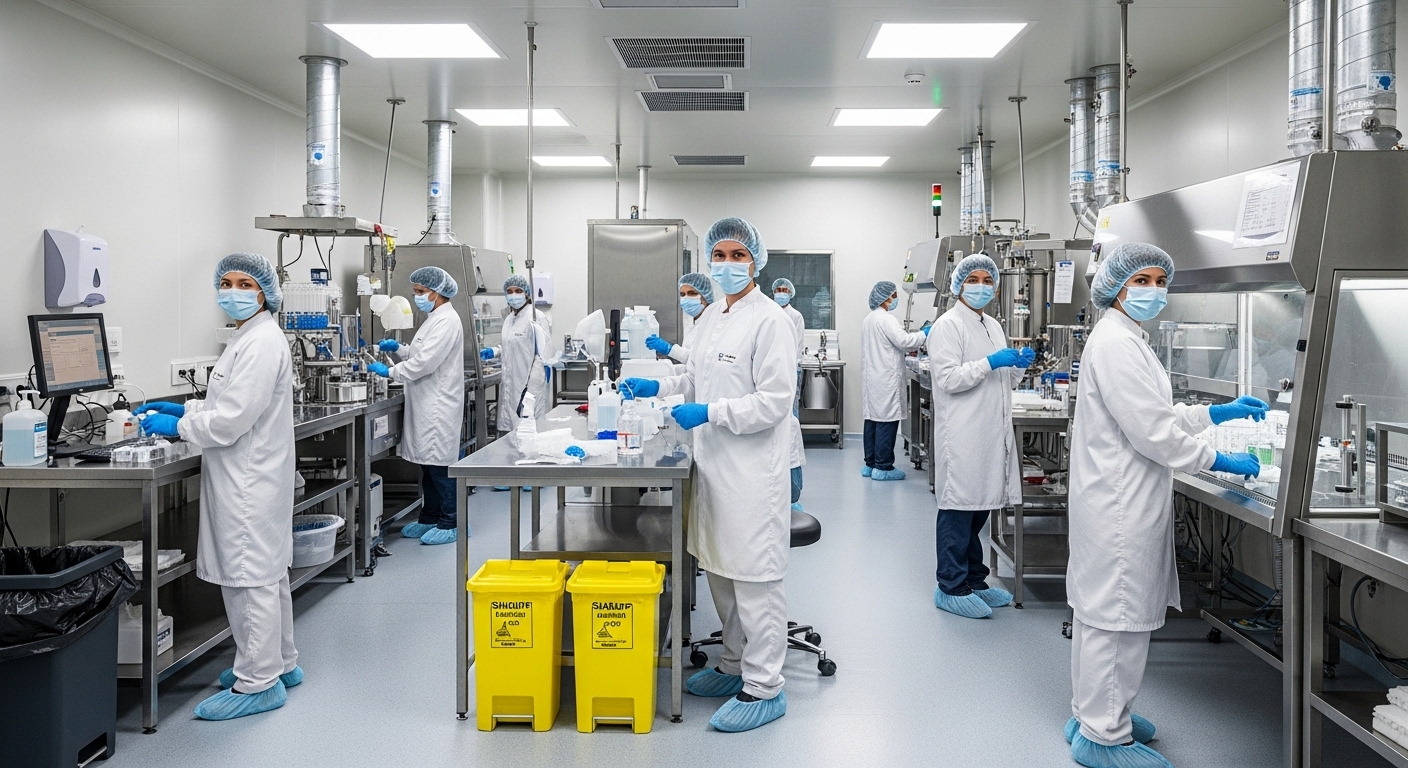
Clean production environments
Proper handling and storage of fabric rolls
Optional food-grade inner liners
Clear labeling and traceability
When these practices are followed, polypropylene packaging meets both safety and performance expectations.
Polypropylene vs. Other Packaging Materials
Compared to materials like paper or jute, polypropylene offers:
Better moisture resistance
Longer service life
Lower contamination risk
Improved strength-to-weight ratio
Unlike certain plastics that may contain BPA or plasticizers, polypropylene remains a stable and safe polymer, making it a preferred choice for food and agricultural packaging.
Sustainability and Recyclability
In addition to safety, polypropylene also supports sustainability goals:
Fully recyclable material
Reusable in multiple cycles
Reduced packaging waste due to durability
Many manufacturers now optimize PP woven fabric rolls to balance strength, safety, and environmental responsibility.
So, is polypropylene food safe?
Yes — BPA-free polypropylene is one of the safest and most reliable materials for food packaging, especially for dry and bulk food products.
When manufactured correctly, packaging made from PP woven fabric roll offers the perfect combination of food safety, strength, moisture resistance, and cost efficiency. This makes polypropylene a trusted choice for food processors, exporters, and bulk packaging buyers worldwide.
As food safety standards continue to rise, BPA-free polypropylene remains a future-ready material that meets both regulatory requirements and practical packaging needs.
Frequently Asked Questions
Does polypropylene contain BPA?
No. Polypropylene does not contain Bisphenol A (BPA). It is inherently BPA-free, which eliminates the risk of harmful chemical migration into food.
Can PP woven bags be used for food packaging?
Yes. PP woven bags made from food-grade PP woven fabric rolls are commonly used for packaging rice, grains, flour, sugar, and animal feed. When required, inner liners are added for extra hygiene and moisture protection.
Is polypropylene safe for long-term food storage?
Polypropylene is stable and resistant to moisture, oils, and most food acids, making it suitable for long-term storage of dry food products when stored in proper conditions.
Does polypropylene affect the taste or smell of food?
No. Food-grade polypropylene is odorless and does not transfer taste or smell to food products, ensuring product quality remains unchanged.
Is PP packaging approved for food contact?
Polypropylene is widely accepted for food-contact applications when produced according to regulatory and food-grade manufacturing standards. Many global food packaging solutions rely on PP due to its safety and performance.
Is PP woven fabric recyclable after food use?
Yes. PP woven fabric is fully recyclable. After proper cleaning, it can be reused or recycled, supporting sustainable packaging practices.