

As the global demand for energy continues to rise, nations face the dual challenges of ensuring reliable electricity while reducing carbon emissions. Traditional fossil fuel-based power plants, though dependable, contribute significantly to greenhouse gas emissions and climate change. In response, the energy industry is turning toward clean baseload power solutions and low-carbon reactor technologies to balance efficiency, reliability, and sustainability.
Understanding clean baseload power solutions:
Baseload power refers to the minimum level of electricity that must be supplied to meet consistent, around-the-clock energy demand. Historically, this has been met by coal, gas, or nuclear plants, sources that, while stable, often come with high operational or environmental costs.
Clean baseload power solutions aim to optimise this essential energy supply with reduced waste, improved efficiency, and lower emissions. By combining advanced grid management, renewable integration, and high-efficiency generation technologies, these systems deliver steady electricity output without overconsumption of fuel or resources.
Clean baseload systems often use hybrid energy models, integrating renewables like wind and solar with advanced storage technologies or small-scale reactors. The result is a dependable power flow that minimises reliance on carbon-intensive fuels. This approach not only ensures reliability but also sustainability, an essential step in transitioning to a greener global grid.
Advancing sustainability through low-carbon reactor technology:
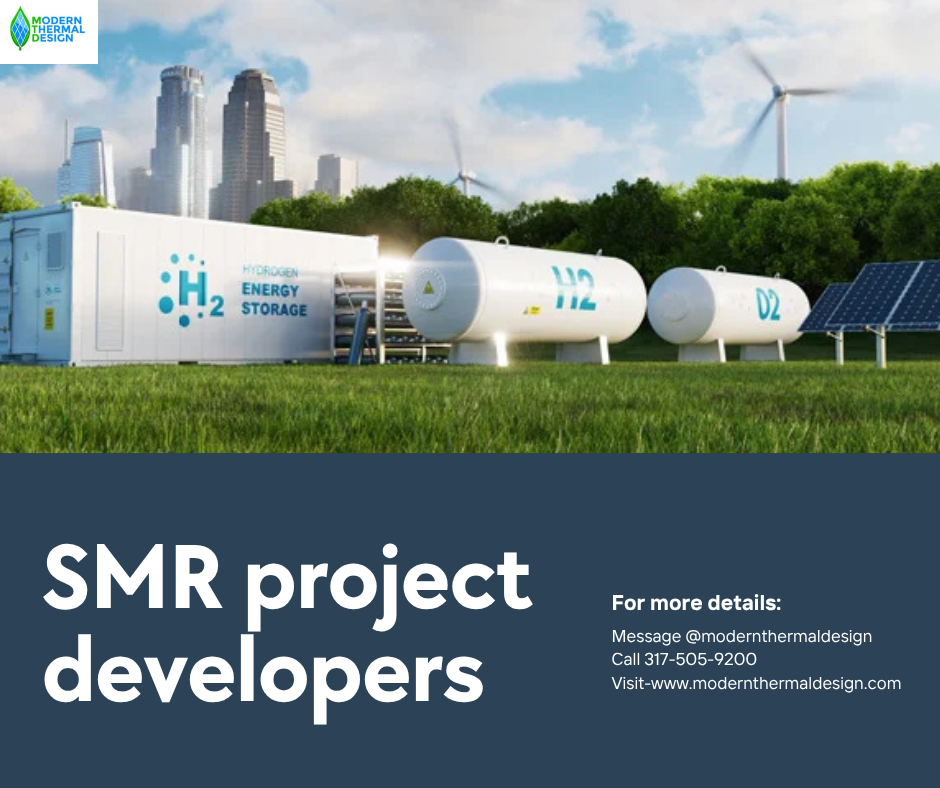
Among the most promising contributions to clean baseload strategies is low-carbon reactor technology. Modular nuclear innovations, such as Small Modular Reactor and Generation IV designs, offer safer, more efficient, and more flexible alternatives to traditional reactors. Unlike conventional large-scale plants, SMRs produce small amounts of power but can be easily scaled or deployed in remote locations. Their compact design allows for factory-built modules that reduce construction time, cost, and risk. Moreover, these reactors use advanced fuels and cooling systems that significantly reduce waste and enhance safety.
Low-carbon reactors operate with zero greenhouse gas emissions, providing a reliable complement to intermittent renewable sources. While solar and wind are weather-dependent, reactors provide a continuous energy supply, making them essential for maintaining baseload stability in low-carbon grids.
Beyond electricity, these reactors can also contribute to hydrogen production, desalination, and district heating, diversifying their role in clean energy ecosystems.
Synergy between clean baseload and low-carbon technologies:
The real potential lies in combining clean baseload power solutions with carbon reactor technology. Together, they create an ecosystem where energy is both efficiently managed and sustainably generated.
For instance, a clean grid powered by renewables and supported by modular nuclear reactors can adjust dynamically to demand fluctuations. When renewable output dips, say, on a cloudy or windless day, carbon reactors seamlessly fill the gap, making sure of consistent power delivery without increasing emissions.
Along with this, digital innovations such as AI-driven demand forecasting, smart grids, and predictive maintenance improve the performance of both reactor systems and power plants. This synergy minimises downtime, reduces energy waste, and maximizes output efficiency.
Such integrated solutions not only strengthen energy security but also pave the way for decarbonized industrial operations, a resilient grid, and sustainable urban growth.
The Path toward a carbon-neutral energy future:
Transitioning to a clean energy future requires more than renewable expansion; it demands dependable and flexible baseload options that can operate 24/7. Clean baseload systems supported by low-carbon reactors can provide that foundation.
However, global adoption depends on policy support, investment in innovation, and public awareness. Governments must create favourable regulatory environments and financing mechanisms to accelerate deployment. Similarly, public-private partnerships can help commercialise next-generation reactors and grid technologies.
Countries such as Canada, the UK, and Japan are already advancing pilot projects for SMRs and hybrid clean grids, demonstrating the feasibility of this transformation.
Conclusion:
The journey toward sustainable energy is not a single technological leap but a combination of strategic innovations. Clean baseload power solutions make sure of operational efficiency and grid reliability, while low-carbon reactor technology provides clean, continuous energy that complements renewables.