


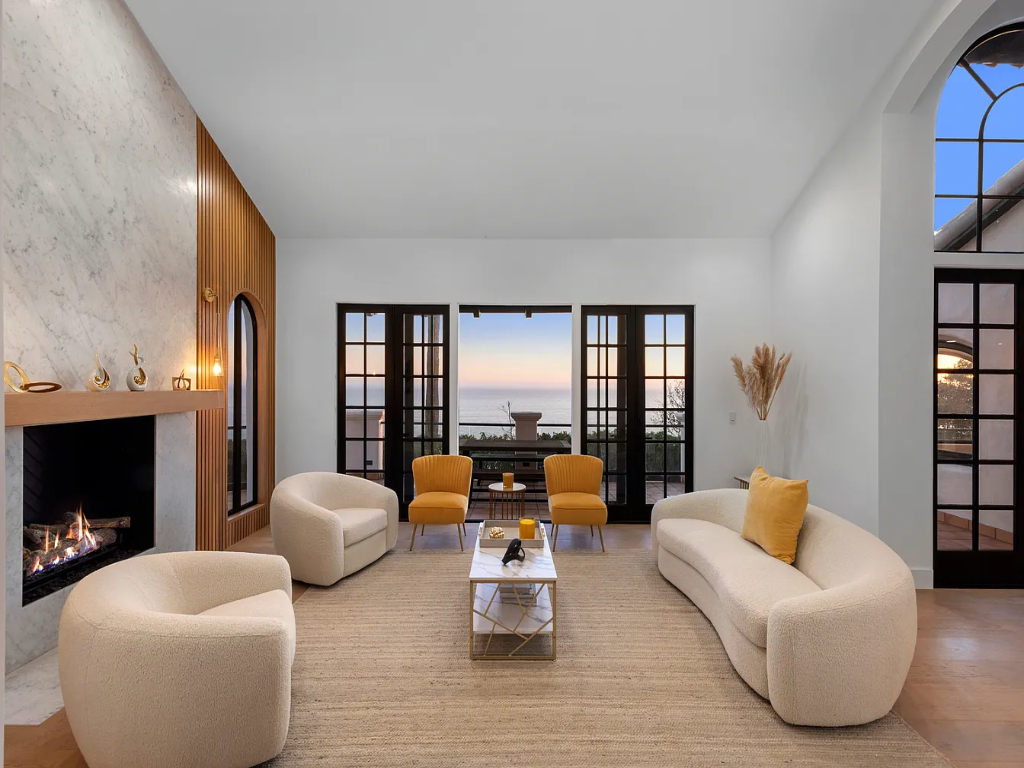
A fresh room tacked onto your house often beats moving to a bigger place. When kids arrive, routines shift, or extra elbow room feels necessary, expanding walls makes sense over time. Yet things go sideways fast without clear blueprints and foresight. That is when calling an architect for home addition from option to necessity.
A fresh idea takes shape when someone who knows buildings steps in. Most people picture something clear in their mind, yet find it tough to fit those thoughts into real walls and rooms. Because every house has its own logic, a professional studies what stands already, listens closely to what matters most, then shapes extra space that feels like it always belonged. The result? Not a patchwork afterthought, but part of the story from the start.
Home additions often run into trouble because of rules tied to land use and construction standards. Each lot must follow local zoning, code specs, setbacks. Trained to navigate these, an architect shapes plans that fit within them. When limits are considered up front, problems like rework, holdups, or rejected permits tend to fade. Early thinking here keeps things moving without surprise roadblocks.
A well-thought layout begins with how people actually move through spaces. Because every room links logically to the next, getting around feels effortless. Natural light slips into corners where it's needed most, while airflow stays steady without forced systems. Storage tucks into walls in ways that seem obvious afterward. When details align like this, extra space does more than measure larger - it makes living easier.
Turns out skipping an architect might not save money after all. Starting off, clear plans set spending limits early. Because they think about price while designing, surprises happen less often. When drawings are precise, workers follow them closely. This means fewer changes once building begins. Instead of guessing, choices get made using options that fit both look and cost. Even material picks come down to value, not just expense. So having expert guidance shapes how funds move through each phase.
A fresh space built right can boost what your house is worth. When people look around, they notice if it fits naturally, like it always belonged there. Design pros care about how things line up outside, how rooms connect inside, and whether sizes feel balanced - all slow gains over time. But a rushed add-on, one that clashes or sticks out awkwardly? That might make buyers step back instead.
From the start of building work, architects usually connect homeowners with builders. Because plans can be unclear, they explain sketches so everyone understands. When problems pop up during construction, their role shifts to solving design hiccups quickly. Since changes happen fast on site, having them involved keeps things aligned with how it was meant to look. Quality doesn’t slip when someone watches details closely through each phase.
Looking ahead matters just as much as building now. Future use shifts, how power flows, materials last - these shape choices early on. Sun angles guide walls, layers trap warmth, glass faces where light moves best. Bills shrink slowly when heat stays put and air feels steady inside. Years pass, costs stay low, earth gets less harm by quiet design.
A home addition takes time, thought, deep planning. An architect brings clear vision, fresh ideas, steady direction along the way. Starting with rough sketches ending in solid walls, design skill shapes how spaces work, feel, endure. Expert insight turns extra square footage into natural flow, daily comfort, lasting value.