

The metaverse is opening new ways to experience products. Brands are no longer limited to physical shelves. They can now create immersive digital environments where consumers interact with products virtually. This trend is reshaping how packaging is designed and experienced.
Virtual Replicas: The Power of Digital Twins
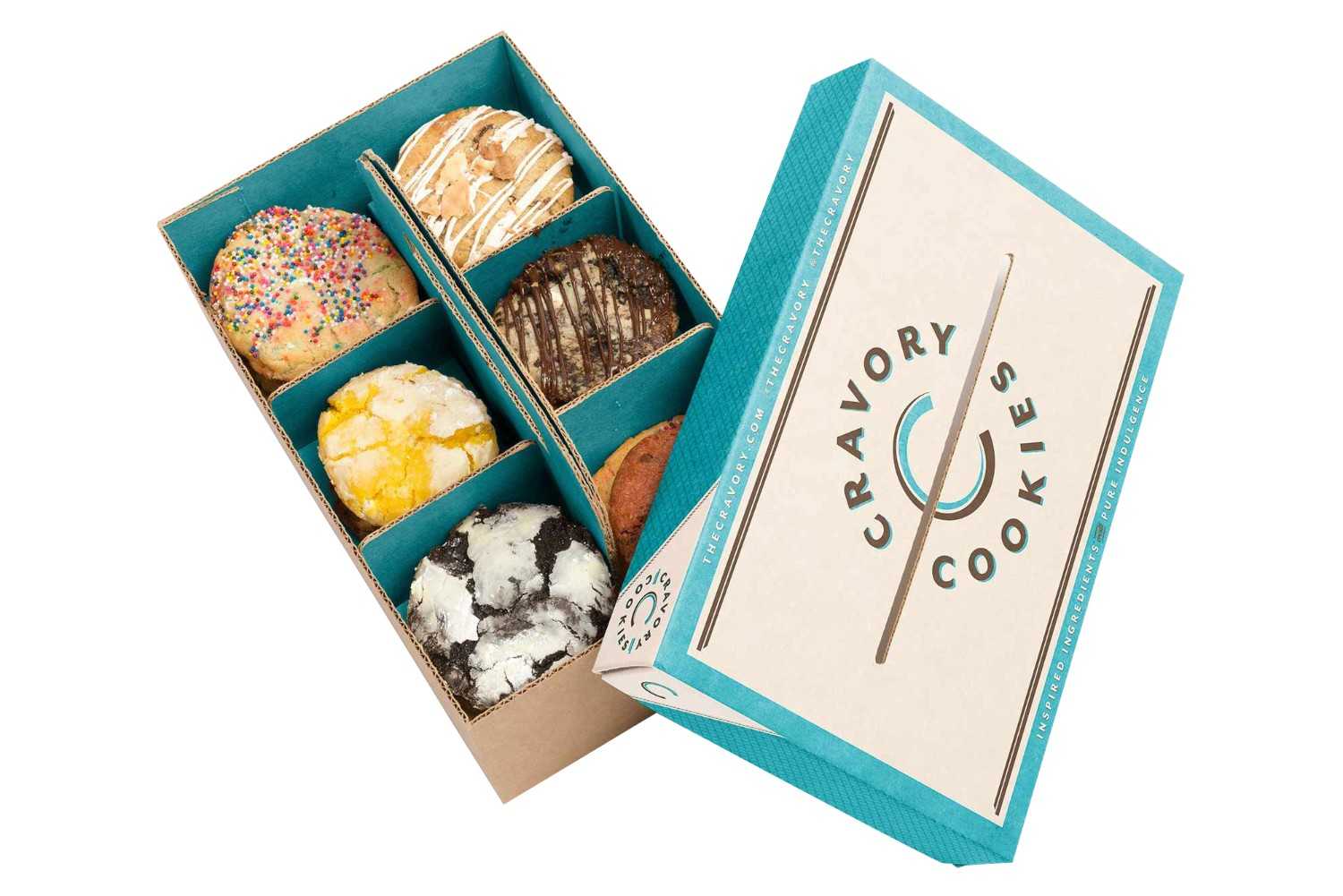
Digital twins are exact virtual copies of physical objects. In the metaverse, they allow designers to experiment without the costs of real production. They replicate textures, shapes, and colors so users can experience products as if they were holding them. A cookie brand, for example, can let users examine the packaging, rotate it, or even “open” it virtually.
These twins provide instant feedback opportunities. Consumers can comment on colors, fonts, or labels in a virtual space. Designers can then iterate on ideas faster than ever before. It also helps reduce errors in production because potential flaws are spotted in the virtual model first.
Digital twins also create a shared workspace for teams. Designers, marketers, and engineers can collaborate in real-time, making adjustments instantly. They no longer need to send physical samples back and forth. This speeds up the design cycle and reduces costs.
Beyond practical benefits, digital twins create a richer experience. Users feel like they are exploring a real product. The realistic simulation of light, shadow, and texture can make virtual experiences emotionally engaging. As technology improves, these digital replicas will become an essential part of brand strategy in the metaverse.
Storytelling Through Interactive Experiences
Storytelling is crucial in the metaverse. Brands can use interactive environments to engage customers more deeply. Instead of a static package, the experience becomes immersive. Consumers might explore the journey of a product from farm to bakery in a virtual world. This creates a connection that a simple image cannot achieve.
Virtual storytelling can include movement, sound, and animations to enhance engagement. For instance, a cookie box might appear on a virtual shelf while a soft melody plays, simulating warmth and comfort. Each interaction can create emotional memories, linking positive feelings to the brand.
Global reach is another advantage. Users worldwide can participate in events or explore brand worlds without leaving their homes. Customization is possible, allowing each visitor to enjoy a slightly different experience based on preferences. This makes every interaction unique and memorable.
Storytelling also gives brands a chance to collect insights naturally. Observing user behavior can reveal which design elements attract attention or drive engagement. Brands can then apply these insights to real-world packaging, creating a loop between physical and virtual experiences.
Designing for Engagement and Delight
Engaging consumers in virtual spaces requires creativity. Designers must consider both aesthetics and interactivity. In the metaverse, a cookie package can be more than a container; it can be playful. Animations, color changes, and sound effects can make exploration enjoyable.
Emotion plays a key role in decision-making. A visually appealing or interactive package evokes joy, curiosity, or nostalgia. In the metaverse, these emotional triggers are enhanced through multisensory digital elements. Users may associate these feelings with the real product, increasing loyalty.
Interactive design should also focus on small moments of delight. A virtual cookie box could animate when clicked, revealing a secret recipe or a fun message. These micro-interactions enhance memory retention and create a lasting impression.
Accessibility is equally important. Experiences must run smoothly across devices, from smartphones to VR headsets. Inclusive design ensures that all users can enjoy interactions, increasing the reach of the brand’s digital initiatives.
Phygital Collectibles: Bridging Real and Virtual
Phygital collectibles connect the digital and physical worlds. Brands are increasingly offering digital tokens that complement real-world purchases. For example, a limited-edition cookie box could come with a unique digital collectible in a user’s wallet.
These collectibles enhance loyalty and excitement. They can unlock rewards, virtual events, or even rare digital experiences. Combining physical and virtual items makes the product feel more valuable and interactive.
Brands can also create challenges or reward systems. Users earn collectibles by engaging with the brand both online and offline. This approach encourages exploration and repeat interaction. Limited-edition collectibles create urgency, making both virtual and physical products more desirable.
- Reward programs combining offline purchases with digital tokens
- Virtual badges linked to exclusive experiences
- Community events that unlock rare collectibles
- Challenges that encourage repeated engagement
This hybrid approach strengthens brand-consumer relationships while making experiences fun and memorable.
Overcoming Technical Hurdles in Digital Packaging
Creating virtual packaging comes with technical challenges. Designs must be compatible across multiple platforms, from VR headsets to mobile devices. A package that looks perfect in one environment may appear distorted in another.
File sizes are another concern. High-quality textures and animations can slow performance. Designers must balance visual richness with lightweight, efficient files. This ensures smooth experiences for users without frustration.
User experience is critical. Navigation should be intuitive, text readable, and interactions obvious. Testing is required to refine experiences, reducing user frustration and encouraging engagement.
Security is also important, especially when collectibles have real value. Blockchain and secure storage help protect users’ digital items. Teams must ensure safe transactions and educate users on proper usage to prevent loss or theft.
Finally, scalability is essential. Popular experiences must support many users at once. Optimized design and cloud support help maintain smooth interactions even during peak usage.
Ethical and Legal Responsibilities
Brands entering the metaverse must consider legal and ethical responsibilities. Intellectual property protection is vital for digital packaging and collectibles. Clear ownership ensures designs cannot be copied or misused.
Privacy is another key concern. Virtual spaces collect user interactions and preferences. Brands must handle this data responsibly and comply with privacy regulations. Transparency builds trust with consumers.
In addition, accessibility and fairness must be considered. Users with lower-end devices or limited internet should still access core features. Virtual experiences should be inclusive, providing equal enjoyment for all.
Token ownership should be transparent. Users need clear information about resale, rights, and limitations. Ethical design also requires avoiding manipulative practices that trick users into purchases. Honesty fosters loyalty and long-term engagement.
Shaping Consumer Behavior in Virtual Spaces
Adoption of metaverse experiences is growing, but users may be cautious at first. Clear guidance and simple tutorials can ease exploration. Once confident, users are more likely to engage deeply with the brand.
Behavioral change requires repeated positive experiences. Rewards, micro-interactions, and social elements encourage users to return. Community involvement also enhances adoption, as friends explore and share experiences together.
Brands can track engagement metrics to understand user preferences. This data informs improvements in both virtual and physical packaging. As consumers become familiar with interactive experiences, their expectations for engagement increase, creating a continuous loop of innovation.
The Future of Immersive Packaging
The future of packaging lies in merging physical and digital experiences. Sensory innovations like touch simulation, animation, and AI-driven customization will make designs more interactive. Physical products may increasingly be linked to digital collectibles, creating richer brand experiences.
As the metaverse evolves, virtual experiences will become an expected part of product engagement. Consumers will value both the physical item and its digital counterpart. Brands that embrace creativity, accessibility, and emotional engagement will thrive in this hybrid landscape.
One example of this trend includes the integration of premium cookie packaging boxes with digital rewards. The combination of physical delight and digital exclusivity encourages loyalty, excitement, and deeper engagement with the brand.
The possibilities are endless. Designers can explore new storytelling methods, interactive elements, and cross-platform integration. By connecting physical and virtual worlds thoughtfully, brands can create meaningful, memorable experiences for consumers.
Conclusion: Blending Real and Virtual Worlds in Packaging
The metaverse is transforming how brands connect with consumers. By designing digital twins and phygital collectibles, packaging becomes more than a protective cover—it becomes an experience. Virtual replicas allow brands to test ideas, tell stories, and engage users emotionally before physical production. Phygital collectibles bridge the gap between online and offline worlds, creating loyalty and excitement.
This new approach challenges designers to think beyond traditional packaging. They must consider interaction, accessibility, emotion, and technical performance. Ethical and legal responsibilities are also critical, ensuring trust and fairness in digital spaces. As more users adopt these experiences, behavior changes, making interactive and immersive design a core expectation.
Looking ahead, packaging innovation will increasingly merge physical and digital worlds. Consumers will seek experiences that feel personal, engaging, and shareable. By embracing creativity, storytelling, and interactive design, brands can make products memorable in both real and virtual spaces. Cookie packaging boxes are no longer just containers—they are gateways to immersive brand experiences that excite, delight, and connect audiences in entirely new ways.
Visit Our Website and Order Now: https://ibexpackaging.com/custom-cookie-boxes/