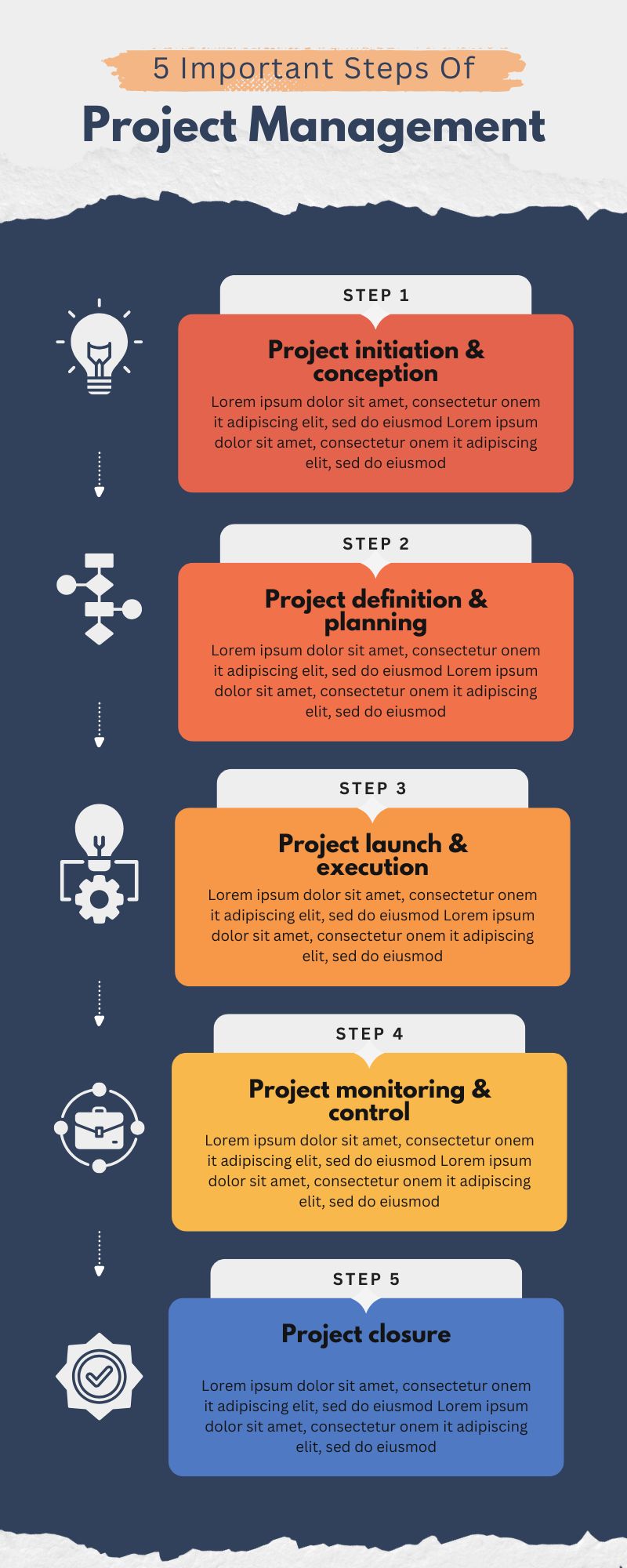



Digital transformation is no longer optional for businesses aiming to stay competitive in today’s fast-paced, technology-driven environment. Organizations across industries are adopting advanced systems, automation, cloud platforms, and smart infrastructure to improve efficiency, customer experience, and decision-making. At the center of this transformation lies a critical function: effective project leadership and execution. This is where IT project management services play a vital role in turning digital strategies into successful, measurable outcomes.
Digital transformation is not simply about adopting new software or upgrading hardware. It involves rethinking processes, aligning technology with business goals, managing organizational change, and ensuring seamless implementation. Without structured project management, even the most innovative technology initiatives can face delays, budget overruns, or complete failure.
Why Project Management Is Essential for Digital Transformation
Digital transformation projects are complex. They often involve multiple stakeholders, cross-functional teams, third-party vendors, and evolving requirements. From cloud migrations and ERP implementations to cybersecurity upgrades and smart infrastructure deployment, each initiative must be carefully planned, executed, and monitored.
Professional IT project managers bring clarity and control to this complexity. They define project scope, create timelines, manage risks, allocate resources, and ensure communication across all teams. By applying proven methodologies such as Agile, Scrum, or Waterfall, organizations can maintain flexibility while keeping projects aligned with strategic objectives.
With expert IT project management services, businesses can reduce uncertainty, improve accountability, and increase the likelihood of delivering projects on time and within budget.
Aligning Technology with Business Strategy
One of the most important roles of IT project management is aligning technical initiatives with business goals. Digital transformation should not be driven by technology alone. Instead, it should be guided by measurable business outcomes such as increased productivity, reduced operational costs, improved customer satisfaction, or enhanced data insights.
Project managers work closely with leadership teams to translate strategic goals into actionable project plans. They ensure that each phase of the project supports long-term objectives and delivers real business value. This alignment prevents wasted investments and ensures that technology becomes a true business enabler rather than a standalone expense.
Integrating Information Technology Solutions
Modern digital transformation relies heavily on advanced Information technology solutions. These may include cloud computing, enterprise software, data analytics platforms, cybersecurity systems, and automation tools. Integrating these solutions into existing business environments can be challenging due to legacy systems, data silos, and organizational resistance to change.
IT project managers coordinate the deployment of these technologies by managing vendors, defining technical requirements, and overseeing system integration. They also ensure proper testing, user training, and documentation so that teams can effectively adopt new systems. This structured approach reduces downtime and helps organizations realize the full benefits of their technology investments.
Managing Change and Organizational Readiness
Technology is only one part of digital transformation. People and processes are equally important. New systems often require employees to change the way they work, learn new tools, and adapt to updated workflows. Without proper change management, even the best technology implementations can fail.
IT project management teams play a key role in supporting change management by developing communication plans, coordinating training programs, and addressing stakeholder concerns. By involving end users early in the process, project managers help build trust and encourage adoption. This human-centered approach ensures that digital transformation is sustainable and embraced across the organization.
Supporting Infrastructure and Electrical Installations
Digital transformation is not limited to software and cloud platforms. Many projects also involve physical infrastructure upgrades, data center expansions, smart building systems, and network installations. These initiatives often require coordination with teams responsible for Electrical equipment installation to ensure proper power supply, safety compliance, and system reliability.
IT project managers help synchronize technical deployments with electrical and infrastructure work. This coordination minimizes disruptions, ensures regulatory compliance, and supports the smooth operation of new digital systems. Whether it’s installing servers, networking equipment, or smart devices, proper project oversight ensures that physical and digital components work together seamlessly.
Risk Management and Compliance
Digital projects come with various risks, including data security threats, regulatory compliance challenges, vendor delays, and budget overruns. A strong project management framework helps identify these risks early and implement mitigation strategies.
By conducting regular risk assessments, maintaining clear documentation, and monitoring performance metrics, IT project managers help organizations stay compliant and secure. This proactive approach is especially important in industries that handle sensitive data or operate under strict regulatory requirements.
Role of Specialized Service Providers
Many organizations partner with specialized agencies to support their digital transformation initiatives. Companies like Him Ansh Agencies contribute by providing technical expertise, infrastructure support, and coordination services that complement internal IT teams. These partnerships allow businesses to access specialized skills while maintaining focus on their core operations.
Working with experienced service providers ensures that projects benefit from industry best practices, proven methodologies, and reliable technical support. This collaborative approach strengthens project outcomes and accelerates digital transformation efforts.
Measuring Success and Continuous Improvement
Digital transformation is an ongoing journey, not a one-time project. After implementation, organizations must continuously monitor system performance, user adoption, and business impact. IT project management teams help define key performance indicators (KPIs) and track results to measure success.
Lessons learned from completed projects are used to improve future initiatives. This cycle of continuous improvement helps organizations stay agile, adapt to new technologies, and maintain a competitive edge in a rapidly changing digital landscape.
Conclusion
Digital transformation requires more than just new technology—it demands strong leadership, structured execution, and alignment between business goals and technical solutions. IT project management services provide the foundation for successful transformation by ensuring projects are delivered efficiently, risks are managed proactively, and stakeholders remain engaged.
By integrating advanced Information technology solutions, coordinating infrastructure needs such as Electrical equipment installation, and collaborating with experienced partners like Him Ansh Agencies, organizations can build a robust digital ecosystem. With the right project management approach, businesses can confidently navigate digital change and unlock long-term growth, efficiency, and innovation.